
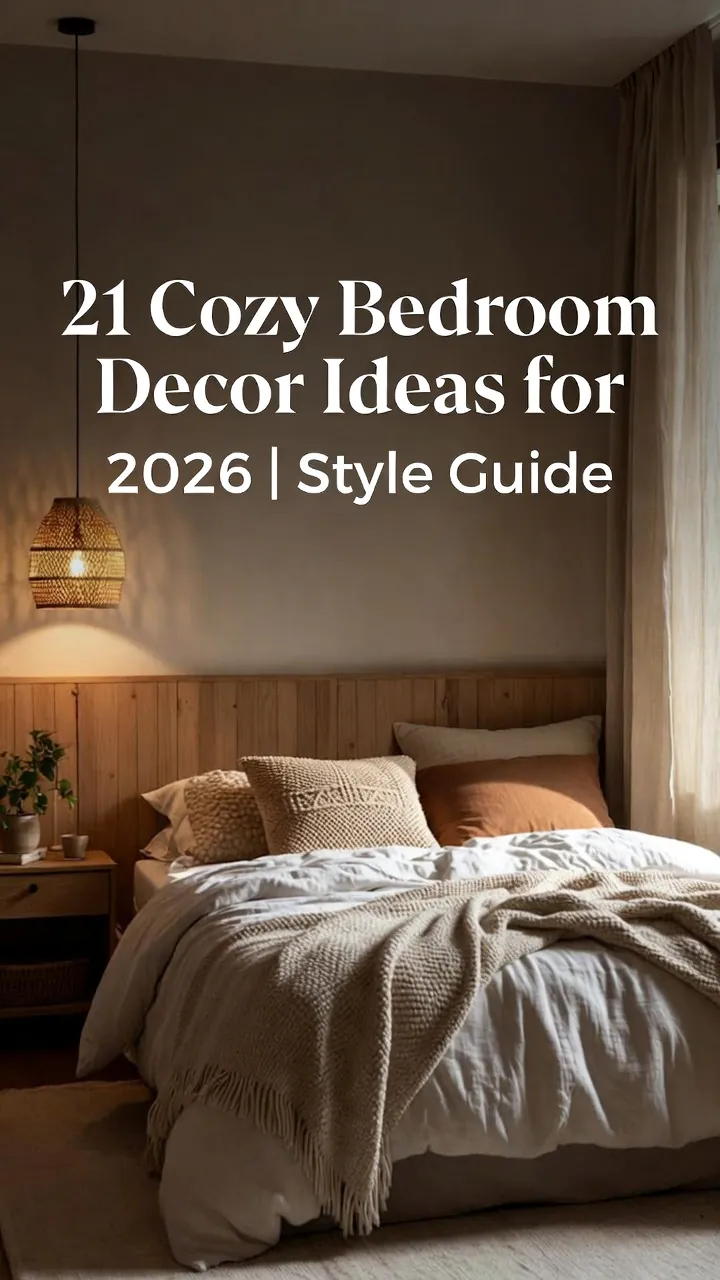
Transform your bedroom into a cozy sanctuary with these 21 trending decor ideas for 2026. Discover biophilic designs, cocoon aesthetics & budget finds.
Your bedroom should be more than just a place to sleep—it should be your personal sanctuary, a retreat from the chaos of daily life. The year 2026 is ushering in a transformative shift in bedroom design, moving away from sterile minimalism toward warm, enveloping spaces that prioritize comfort, wellness, and emotional connection. We’re witnessing the rise of “cocooning”—the art of creating intimate, layered environments that wrap you in a sense of calm and security. From biophilic elements that reconnect us with nature to moody color palettes that ground the spirit, these cozy bedroom decor ideas blend functionality with soul-soothing aesthetics. Whether you’re starting from scratch or refreshing your existing space, these 21 ideas will help you craft a bedroom that feels both deeply personal and utterly restorative.
The Cocoon Sanctuary: Upholstered Comfort
There’s something profoundly comforting about being surrounded by soft, padded surfaces that seem to embrace you the moment you enter. The cocoon bedroom trend defines 2026’s biggest shift—tall, enveloping headboards upholstered in plush velvet or linen, padded wall panels that soften acoustics, and layered textiles in mohair and washed linen that add depth and tactility. This isn’t just about aesthetics; it’s about creating a physical and emotional sanctuary that signals to your nervous system: “You’re safe here.”
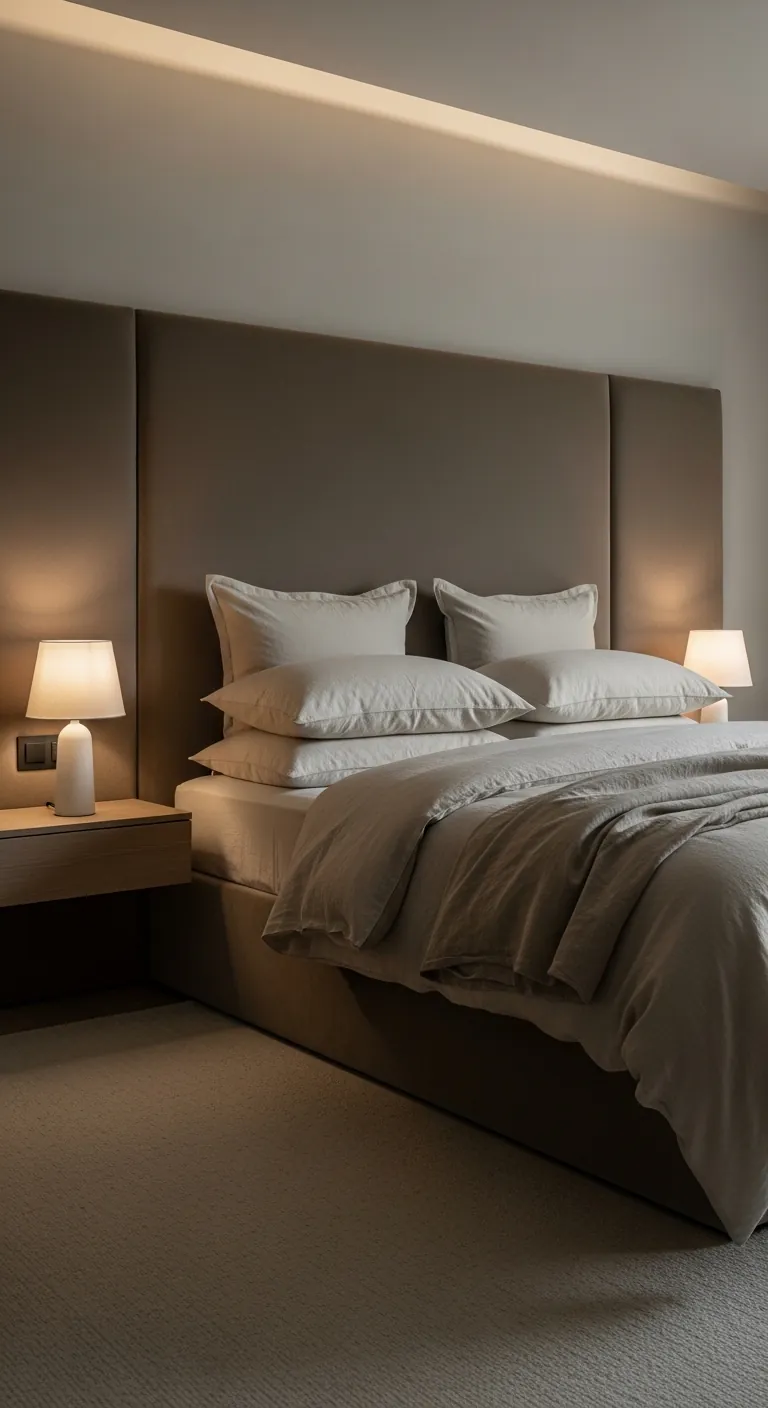
To recreate this look, start with an upholstered headboard as your anchor piece—tufted designs in neutral tones work beautifully. Layer your bed with multiple textures: a linen duvet cover as the base, a mohair throw draped casually at the foot, and an assortment of velvet and cotton cushions in graduating sizes. Consider adding upholstered wall panels or fabric-covered acoustic tiles behind your bed to amplify that enveloping sensation. The magic lies in the tactile variety—silk pillowcases against rough-hewn linen, the coolness of cotton sheets warming to body temperature, the weight of a quality duvet creating gentle pressure. This is comfort you can feel in every fiber.
Biophilic Bliss: Bringing Nature Indoors
Nature isn’t just decoration—it’s medicine for the modern mind. Biophilic bedroom design incorporates living plants, natural materials, and organic shapes to create a space that actively improves your wellbeing. Research shows that connecting with natural elements regulates your circadian rhythm, reduces stress, and promotes deeper, more restorative sleep. In 2026, this isn’t a trend—it’s essential design thinking.
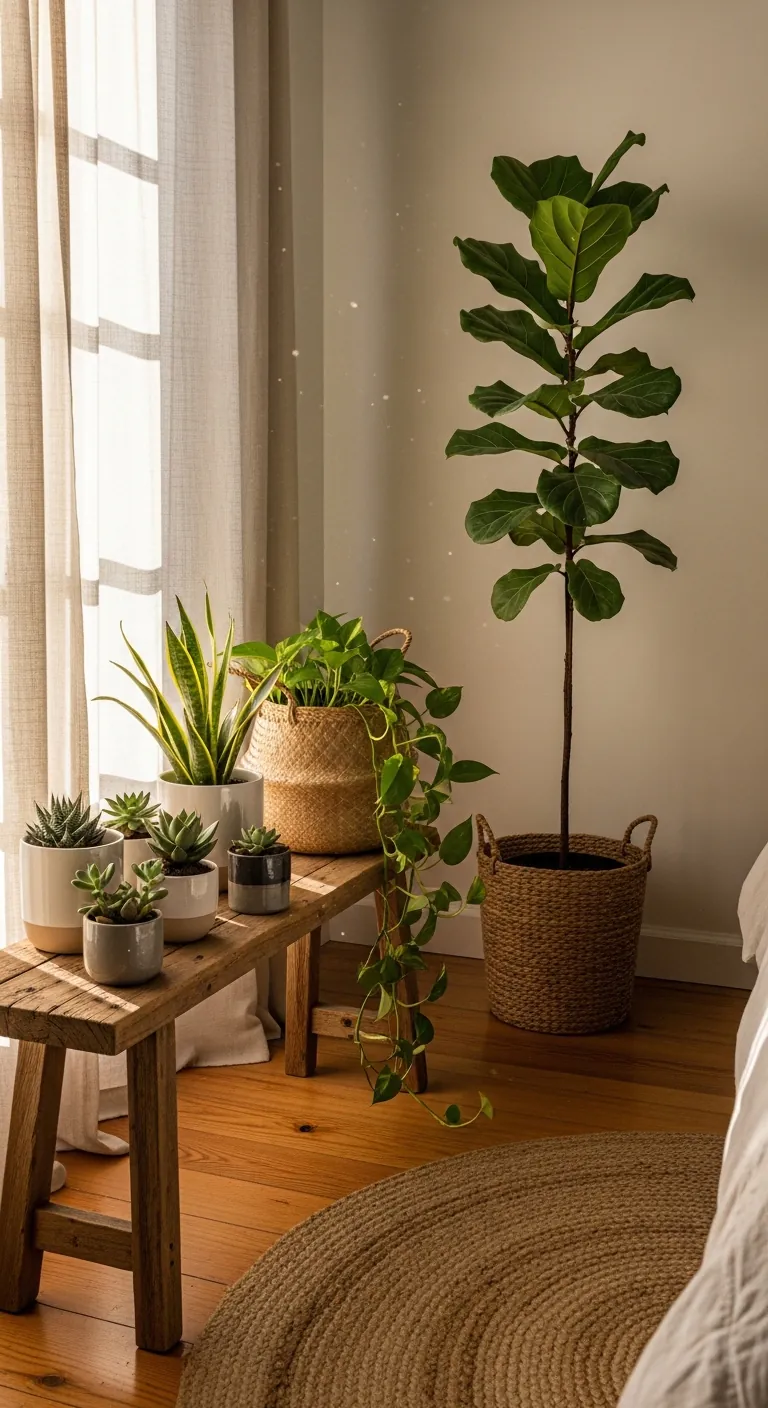
Start by maximizing natural light—remove heavy drapery and opt for sheer curtains that filter rather than block sunlight. Choose furniture crafted from solid wood, rattan, or bamboo, and layer in natural textiles like organic cotton bedding, linen throws, and wool or jute rugs. Introduce carefully selected plants: snake plants and pothos thrive in low light, while peace lilies and ferns love humidity. Don’t overcrowd—three to five thoughtfully placed plants create impact without overwhelming. Add a small tabletop water fountain for ambient sound and increased humidity, and consider nature-inspired artwork or botanical prints to reinforce the connection. The goal is to blur the boundary between indoors and outdoors, creating a space that breathes and lives alongside you.
Moody Maximalism: Rich Color Drenching
White walls are taking a backseat as 2026 embraces bold, saturated hues that envelope entire rooms. Color drenching—painting walls, trim, and even ceilings in the same rich tone—creates a dramatic, immersive experience that feels both sophisticated and deeply comforting. Think smoky blue-greens like Behr’s “Hidden Gem,” warm eucalyptus tones, deep chocolate browns, and earthy terracottas.
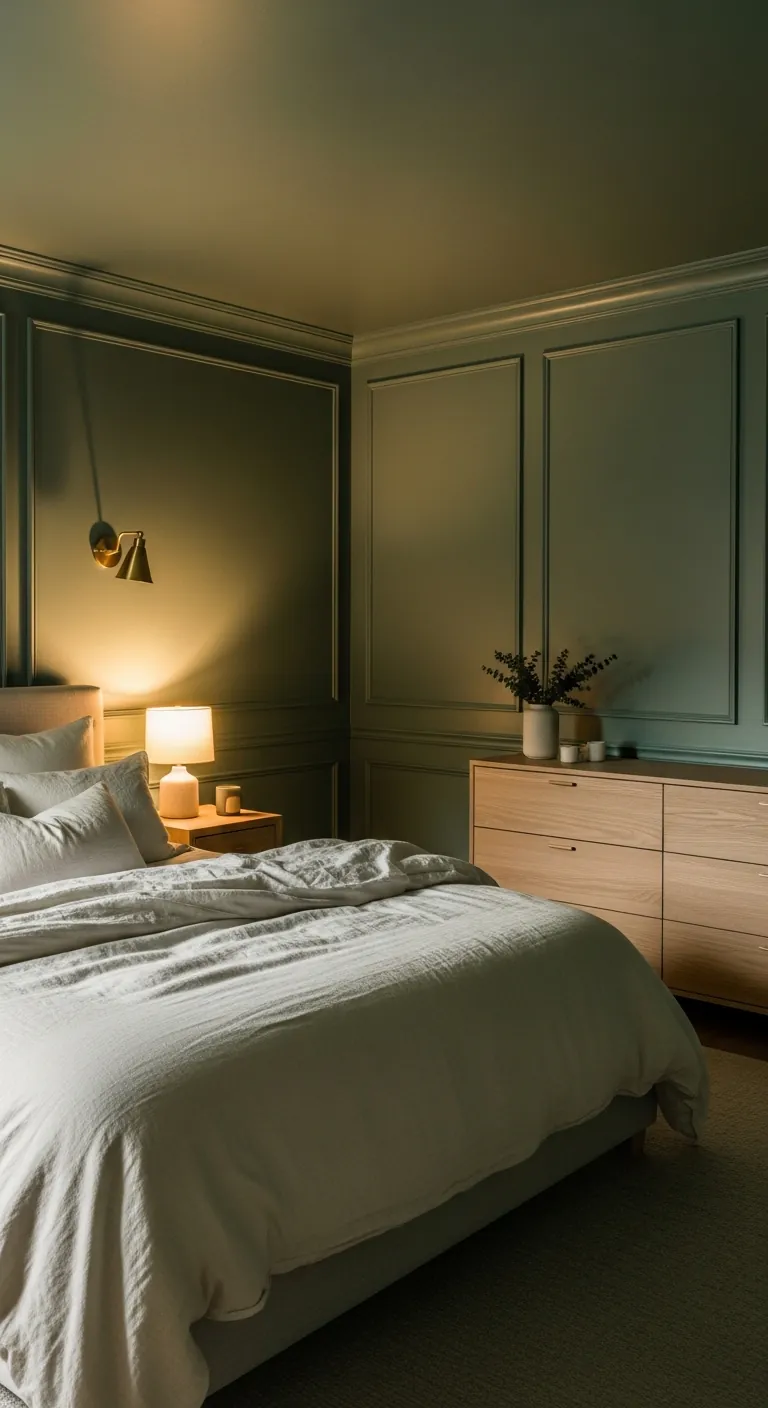
The key to successful color drenching is balancing intensity with breathing room. Choose a color that resonates emotionally—one that makes you feel calm, inspired, or energized. Paint everything in that single shade, then bring in contrasting elements through textiles and furnishings: crisp white or cream bedding, natural wood tones, and metallic accents in brass or matte black. Lighting becomes crucial—warm-dim bulbs and layered sources (wall sconces, table lamps, and perhaps a statement pendant) prevent the space from feeling cave-like. This approach works especially well in smaller bedrooms, where unified color actually expands the perceived space by eliminating visual breaks. It’s maximalism with restraint—bold yet calming.
The Four-Poster Renaissance: Canopy Dreams
Four-poster beds are experiencing a major resurgence, and it’s easy to understand why. These statement pieces instantly transform a bedroom from functional to romantic, creating a defined “room within a room” that amplifies the cocooning effect. In 2026, we’re seeing both minimalist wooden frames and more ornate designs draped in lush textiles.
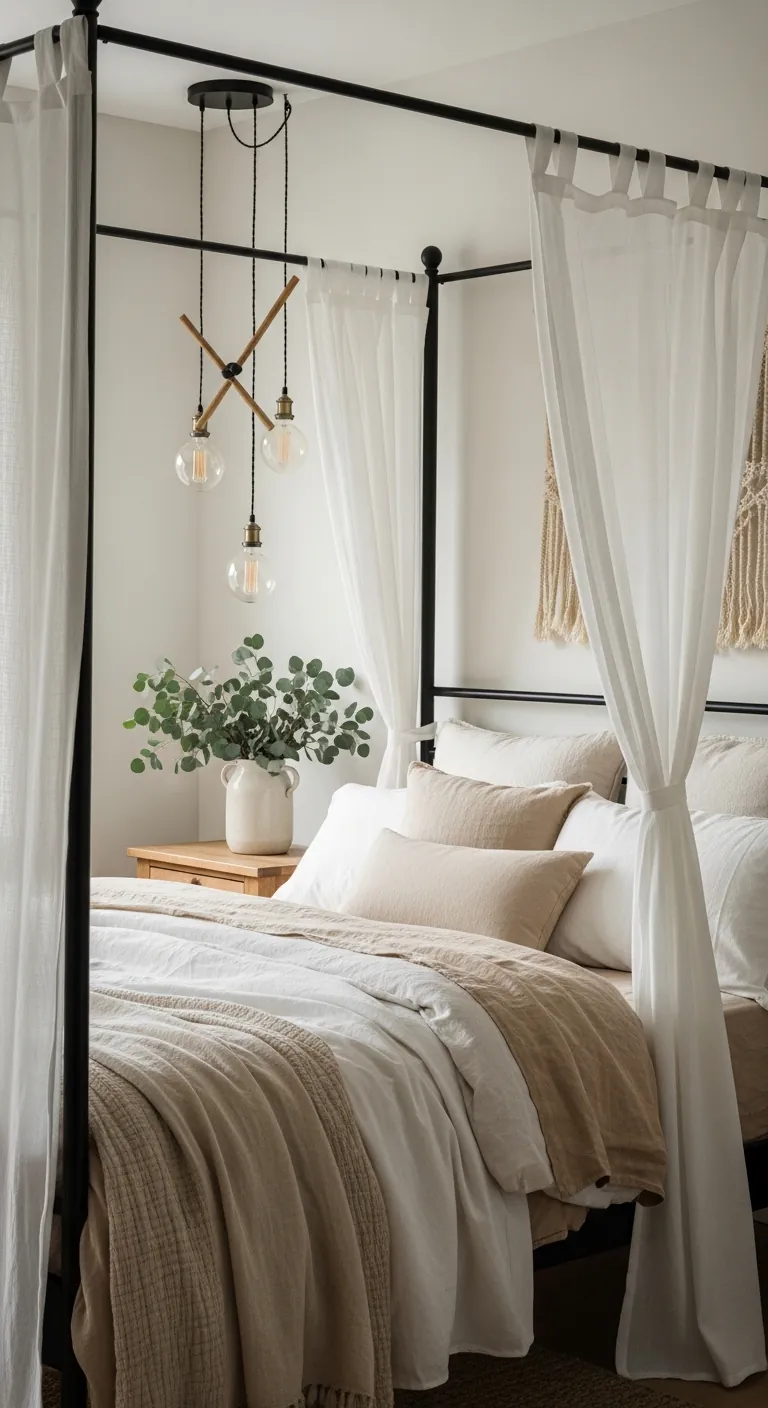
Choose your frame based on your overall aesthetic: streamlined wood or metal for modern spaces, carved or turned posts for traditional rooms. The drapery makes the magic—lightweight linen or cotton voile adds romance without heaviness, while heavier velvet or wool provides privacy and warmth. You don’t need to fully enclose the bed; casually tied panels or fabric draped only at the headboard creates visual interest while maintaining openness. This look pairs beautifully with the biophilic trend—natural wood frames with neutral draping and plenty of plants creates an elevated, organic sanctuary. It’s theatrical without being fussy, a statement that says you value beauty and comfort equally.
Quiet Luxury: The Power of Restraint
Quiet luxury strips away excess to focus on exceptional quality and subtle sophistication. This 2026 trend emphasizes investment pieces over abundant accessories, soft neutral palettes over bold patterns, and materials that improve with age. Think cashmere throws instead of synthetic fleece, solid brass hardware instead of plated finishes, and stone surfaces over laminate.
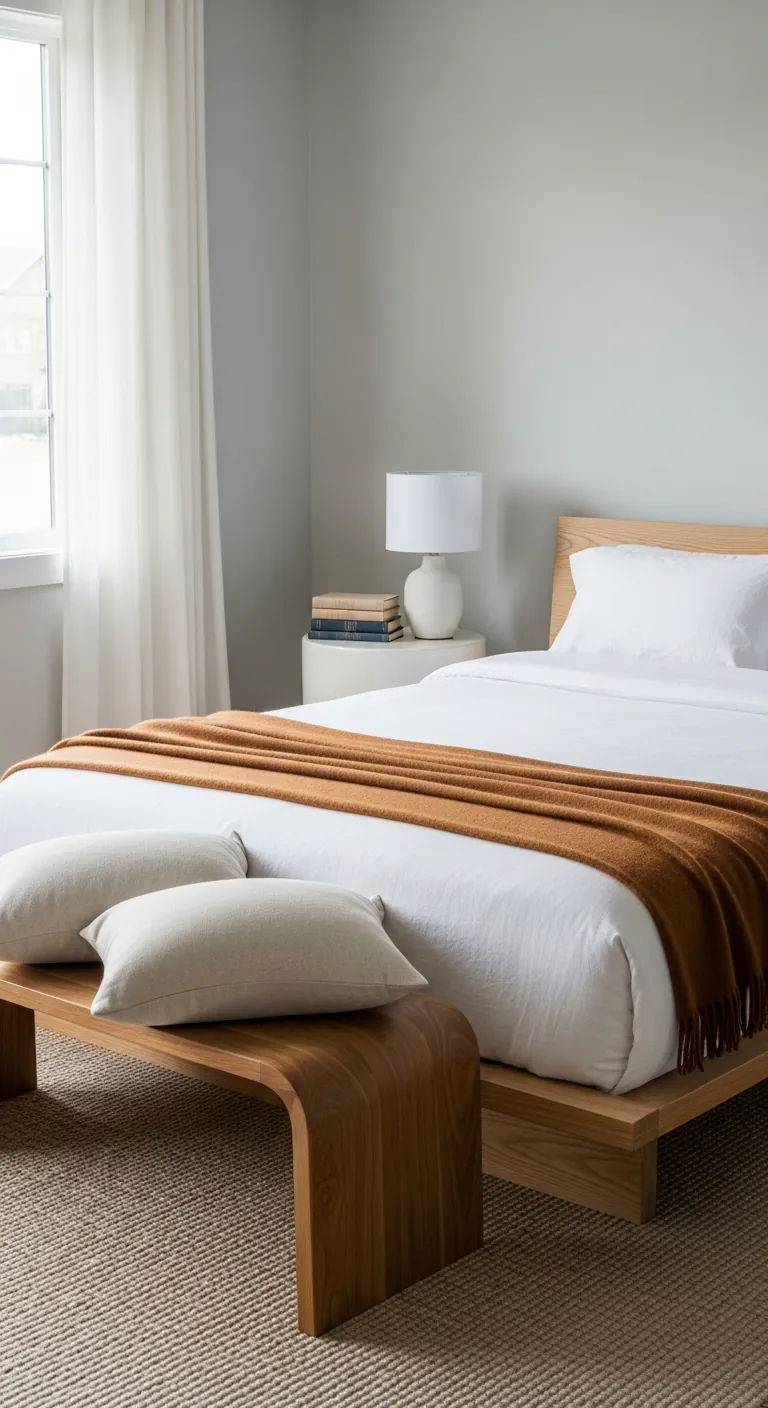
The quiet luxury bedroom follows a strict formula: stick to a palette of warm whites, creams, beiges, and muted taupes that reflect light gently. Invest in fewer, better pieces—one exceptional duvet cover rather than multiple mediocre sets, a single statement chair rather than numerous small accents. Create depth through layering: two sleeping pillows, two larger euro pillows, and one subtle accent cushion in a complementary texture. Every item should serve a purpose and bring you joy; there’s no room for “filler” in this aesthetic. The result is a space that feels calm, refined, and effortlessly expensive—even when it’s not.
Textured Neutrals: Depth Without Color
When you remove color from the equation, texture becomes the star. A neutral bedroom that incorporates multiple tactile elements—nubby bouclé, smooth silk, rough linen, soft velvet—creates visual interest and warmth without pattern or vibrant hues. This approach works beautifully for those who crave calm but want to avoid sterility.
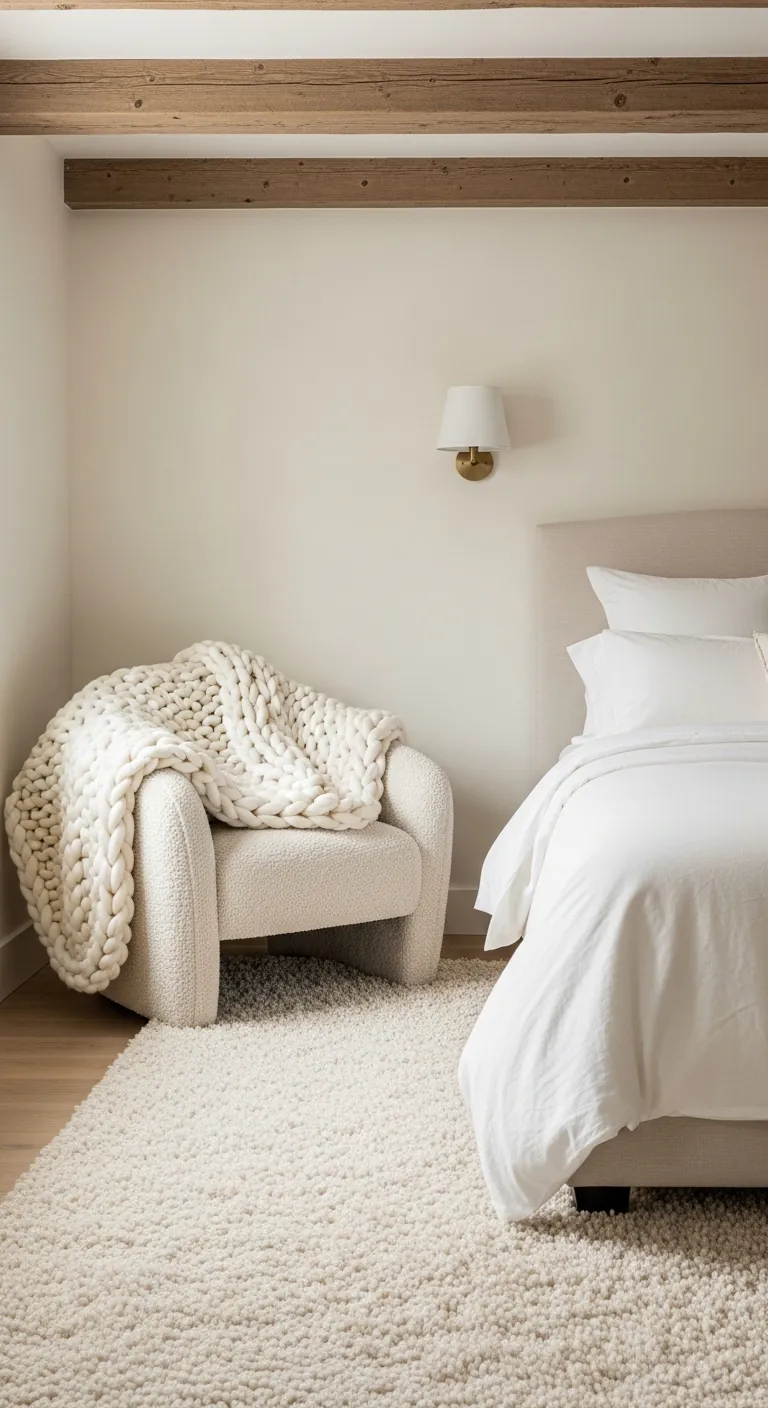
Build your textured neutral bedroom by collecting pieces in the same color family but wildly different materials. Start with a foundation of smooth, high-quality cotton or linen bedding in white or cream. Layer a chunky knit or cable-knit throw at the foot, add velvet throw pillows, and place a faux sheepskin or natural fiber rug beside the bed. Introduce furniture in varied finishes: matte painted wood, natural rattan, brushed metal, and perhaps an upholstered piece in bouclé or textured weave. The interplay between smooth and rough, shiny and matte, creates dimension that draws the eye even in the absence of color contrast. It’s sophisticated, timeless, and deeply calming.
Vintage Luxe: Mixing Eras with Intention
European maximalism is displacing minimalism, and with it comes a renewed appreciation for vintage and antique pieces that tell stories. Rich marbles, Murano glass, dramatically veined stone, and furniture with patina and history are moving into bedrooms in carefully curated doses. This isn’t cluttered grandma-chic—it’s intentional, sophisticated mixing.
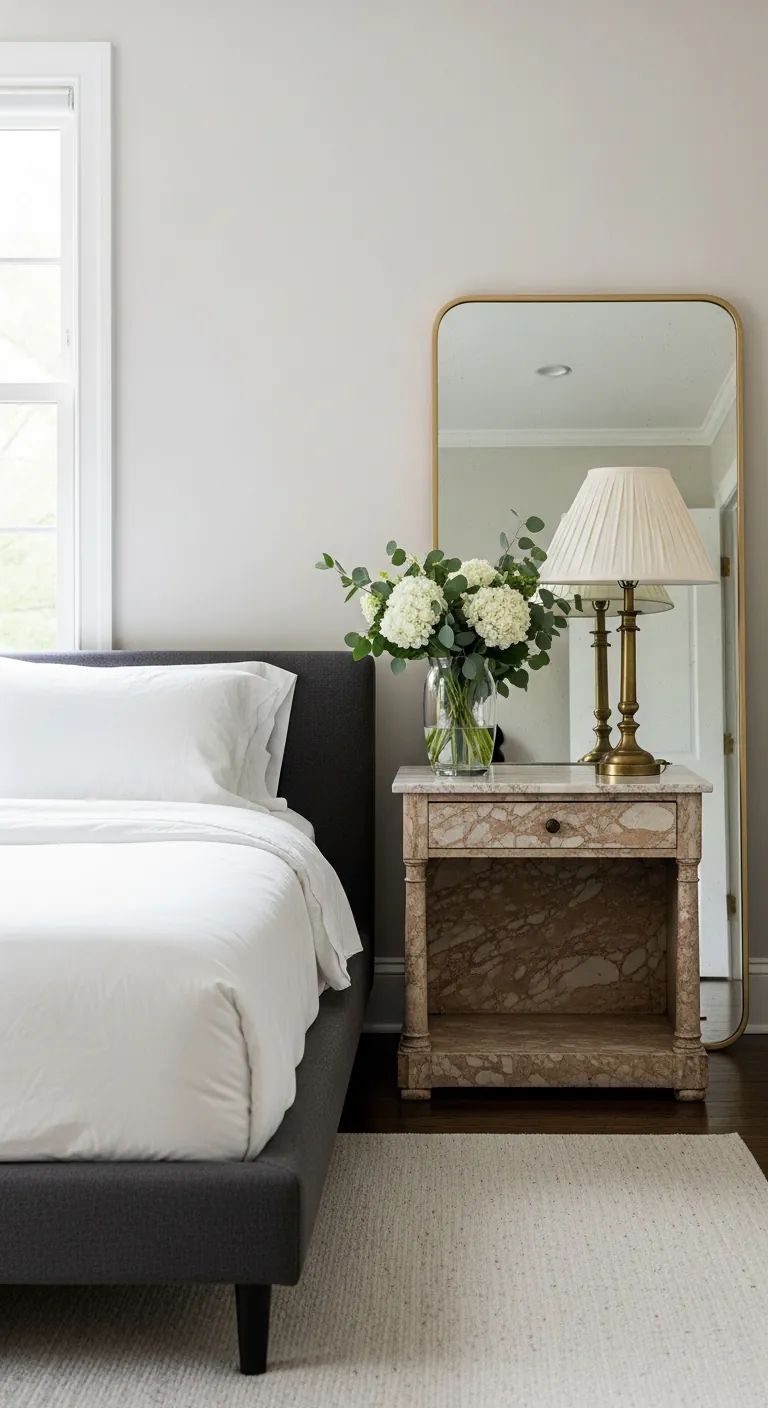
The key to vintage luxe is balance: pair one or two statement antique pieces with contemporary furnishings to avoid a museum effect. Look for quality materials that have genuine presence—a marble nightstand, a carved wooden chest, a mid-century modern dresser, or an ornate vintage mirror. These pieces should feel earned, not matched. Mix metals freely: brass with silver, copper with matte black, gold with nickel. Layer in modern elements to ground the look—crisp contemporary bedding, minimalist lighting, or abstract art. The contrast between old and new creates a collected-over-time aesthetic that feels both personal and elevated. It’s a room with depth, history, and soul.
Illustrated Statement Rugs: Art for Your Floor
Rugs are stepping out from under the bed and into the spotlight with bold, artistic designs that function as floor-based artwork. In 2026, we’re seeing brush-stroke abstracts, line-drawn faces, organic shapes, and illustrated botanicals stretched across soft woven textures. These statement rugs anchor a room and establish personality before you add a single piece of furniture.
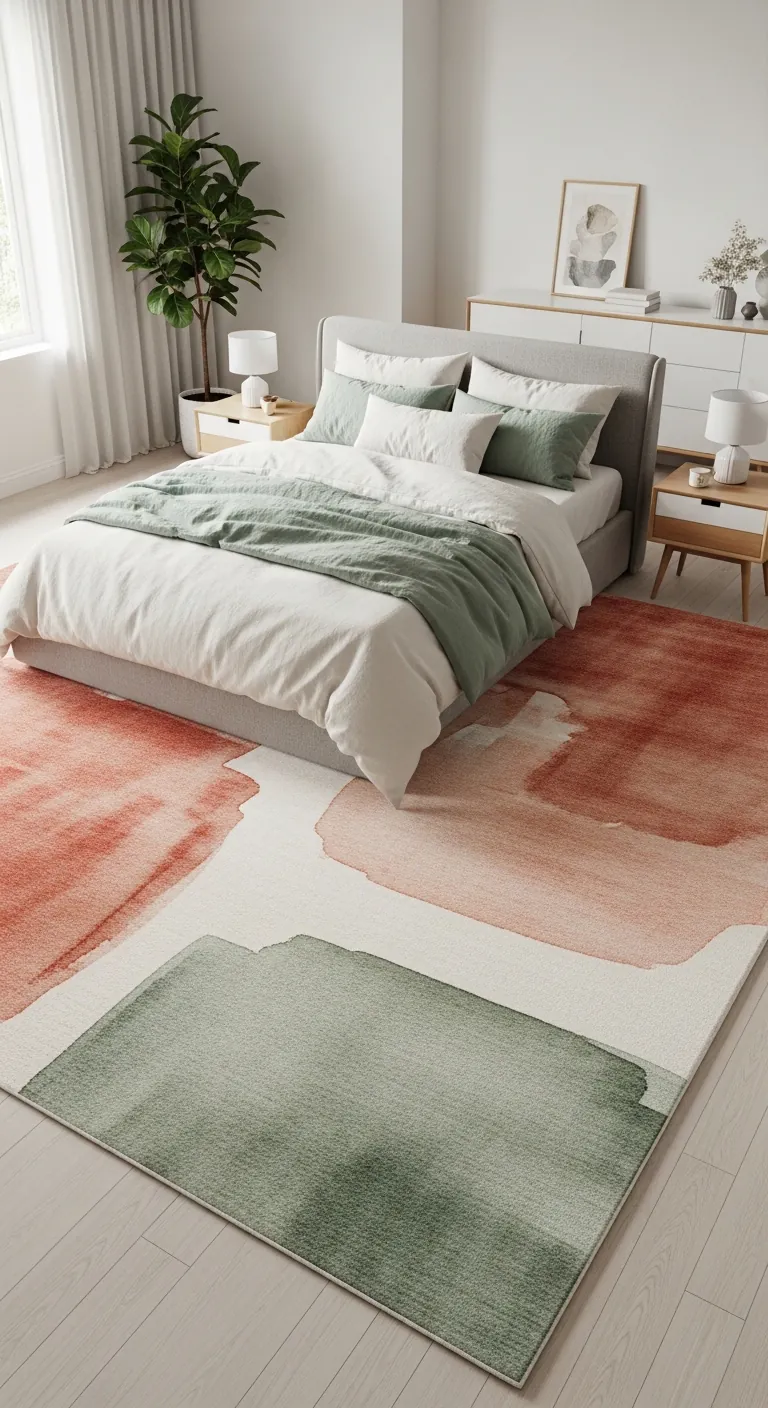
Choose an illustrated rug that speaks to your aesthetic—abstract expressionism for modern spaces, botanical line drawings for organic rooms, geometric illustrations for contemporary styles. Size matters: the rug should extend at least 18-24 inches beyond each side of your bed, or fill a designated seating area completely. Keep other elements relatively simple so your statement rug can shine—neutral bedding, minimalist furniture, and uncluttered walls let the floor art breathe. This approach works especially well in rental spaces where wall treatments are limited; you can establish entire aesthetic through flooring alone. It’s personality without permanence, art you can roll up and take with you.
Chocolate Brown Moment: The New Neutral
Move over, greige—chocolate brown is 2026’s most versatile neutral. Warm, grounding, and surprisingly sophisticated, brown tones ranging from cocoa to espresso are appearing on walls, in textiles, and across furnishings. Unlike stark grays or cool beiges, brown has an inherent warmth that makes spaces feel immediately inviting.
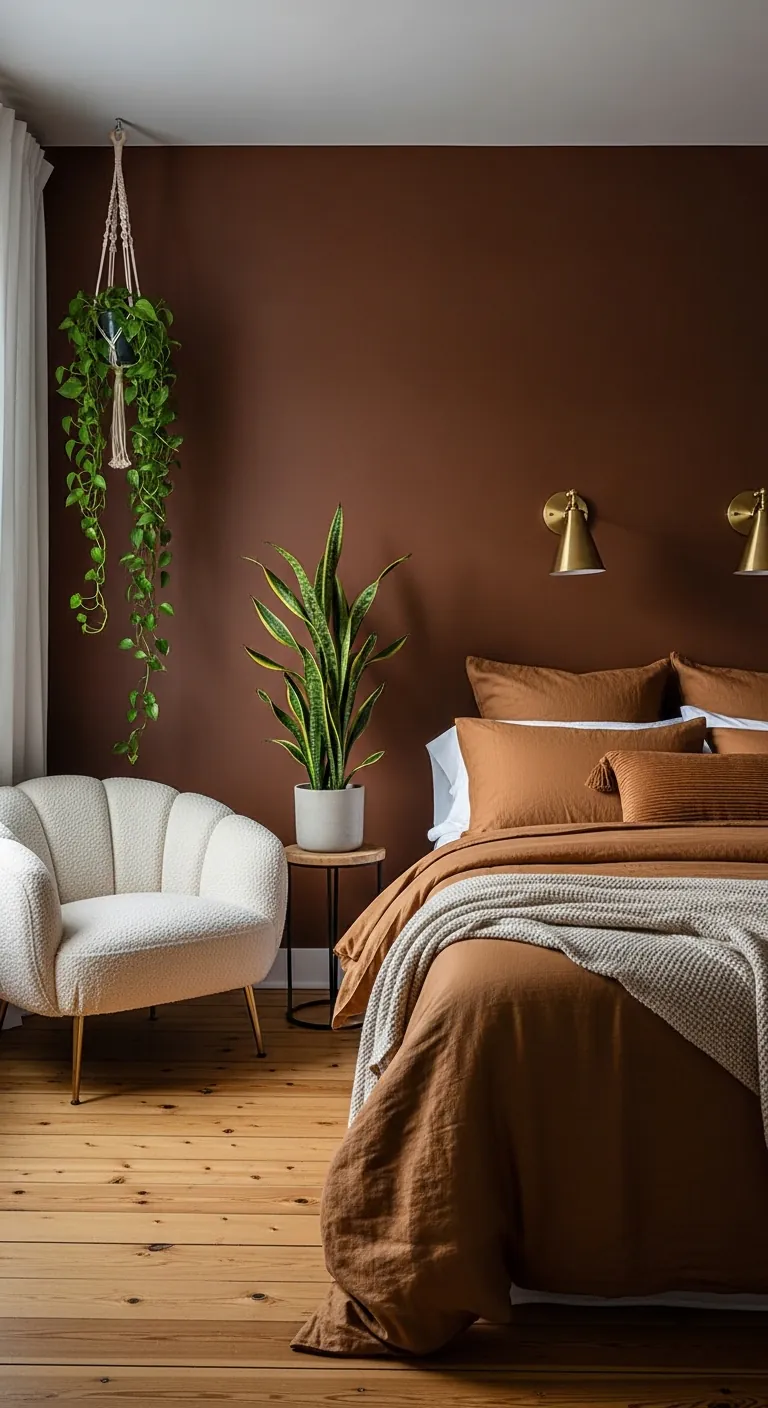
Introduce brown gradually if you’re hesitant about commitment: start with textiles—a chocolate brown duvet cover, caramel throw pillows, or a cocoa-toned area rug. Graduate to furniture with brown wood tones, woven leather accents, or upholstered pieces in warm brown hues. The most confident approach is a brown accent wall, which provides dramatic impact while leaving remaining walls neutral for balance. Brown pairs beautifully with cream, white, sage green, terracotta, and brass metallics. It grounds airy spaces, warms cool ones, and provides a sophisticated backdrop that never feels sterile. Unlike trendy colors that date quickly, brown has timeless staying power—it’s been beautiful for centuries and will remain so.
Layered Lighting: Creating Atmosphere
Harsh overhead lighting is the antithesis of cozy. In 2026, bedroom lighting is about layers—combining ambient, task, and accent sources to create adjustable atmosphere that supports different moods and activities. The goal is warm-dim flexibility that honors your circadian rhythm while providing functional illumination.
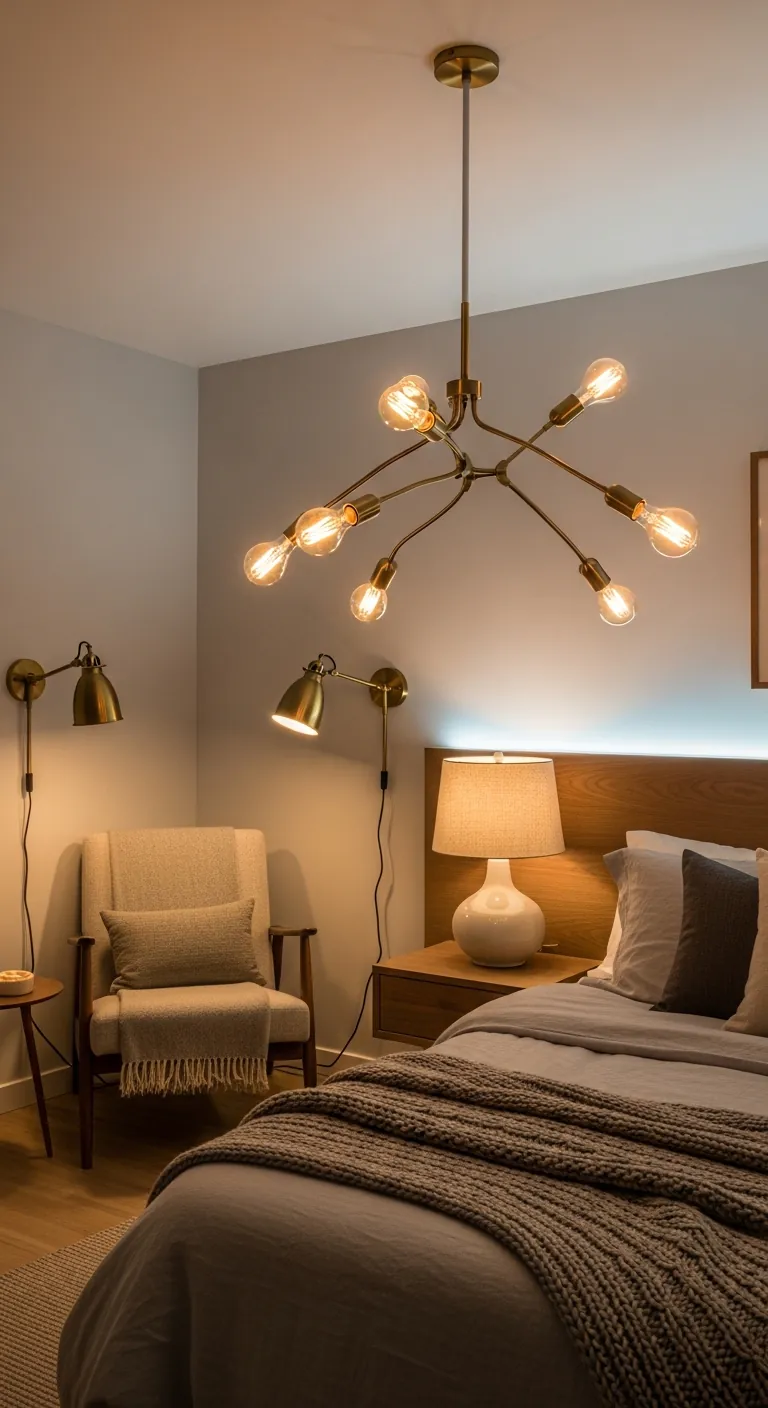
Start by assessing needs: you need reading light (task), general illumination (ambient), and mood creation (accent). Install dimmer switches on all sources for maximum flexibility. Choose warm-toned bulbs (2700K-3000K) that mimic natural evening light rather than harsh cool whites. Layer your sources: perhaps a statement pendant or chandelier for ambient light, adjustable wall sconces or bedside lamps for reading, and accent lighting—LED strips behind headboards, uplighting on plants, or small decorative lamps—for atmosphere. Avoid positioning lights directly overhead of the bed; off-center or side lighting is more flattering and relaxing. The result is a room that can shift from energizing morning brightness to soothing evening dimness with simple adjustments, supporting your natural rhythms.
Sensory Layering: Beyond Visual Design
The most overlooked aspect of bedroom design is non-visual sensory experience. Sensory layering—intentionally designing for sound, scent, temperature, and touch—transforms a good-looking room into one that genuinely enhances wellbeing. This holistic approach is defining wellness-focused design in 2026.
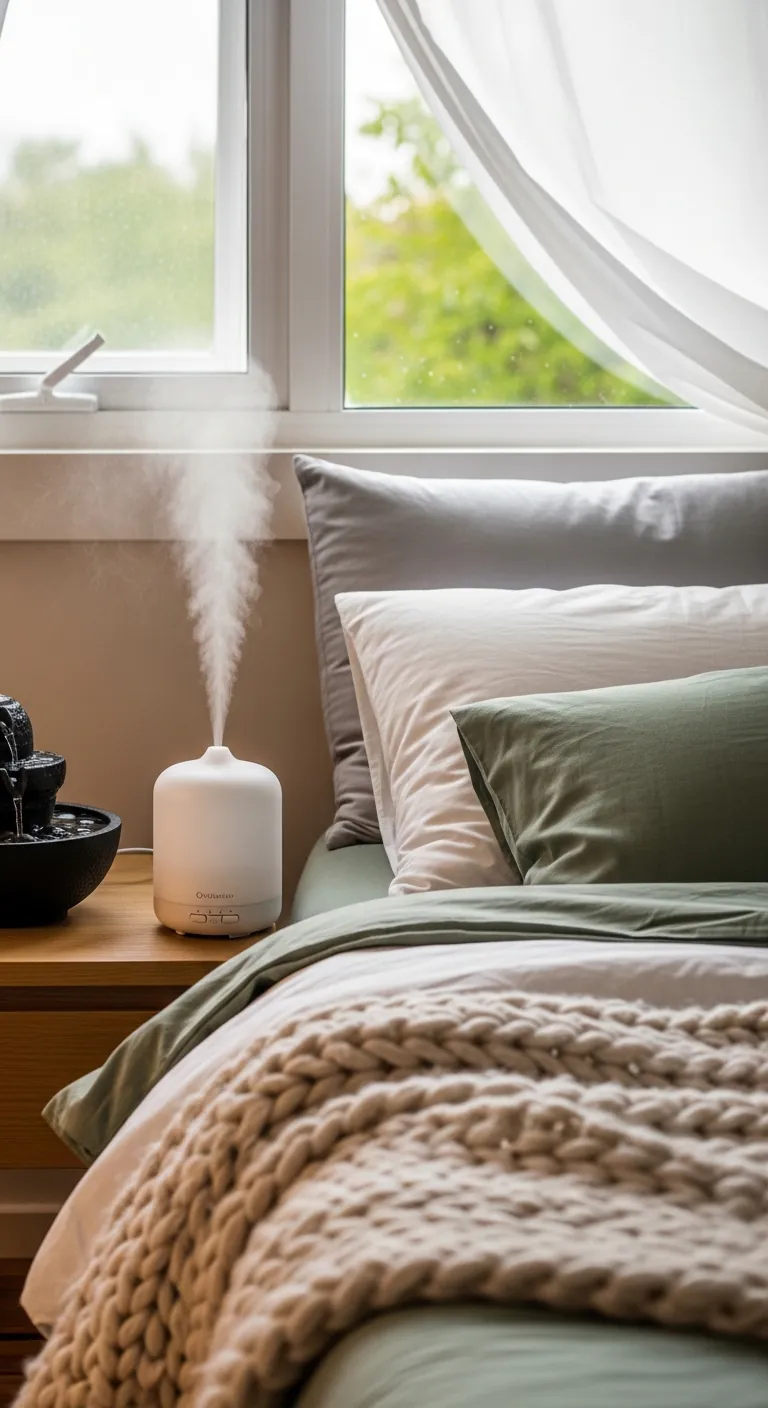
Address each sense systematically: for sound, introduce white noise through a fountain or sound machine, or embrace silence by adding sound-absorbing textiles (heavy curtains, upholstered walls, thick rugs). For scent, use essential oil diffusers with calming aromas like lavender, chamomile, or sandalwood, or keep sachets in drawers and closets. Manage temperature with breathable natural bedding, adjustable layering, and proper ventilation. Maximize touch through varied textures—smooth cotton sheets, weighted blankets, plush throws, and soft rugs beside the bed. Even taste enters consideration if you keep water or tea at your bedside. This multi-sensory approach creates a space that your body responds to instinctively, promoting deeper relaxation and better sleep.
Minimalist Bedding in Statement Colors
2026 is seeing a fascinating contradiction: simpler bedding in bolder hues. Rather than pattern mixing and excessive layering, many are opting for high-quality solid-colored sheets in striking tones like deep emerald, burnt orange, dusty rose, or midnight blue. The emphasis shifts from abundance to quality and color impact.
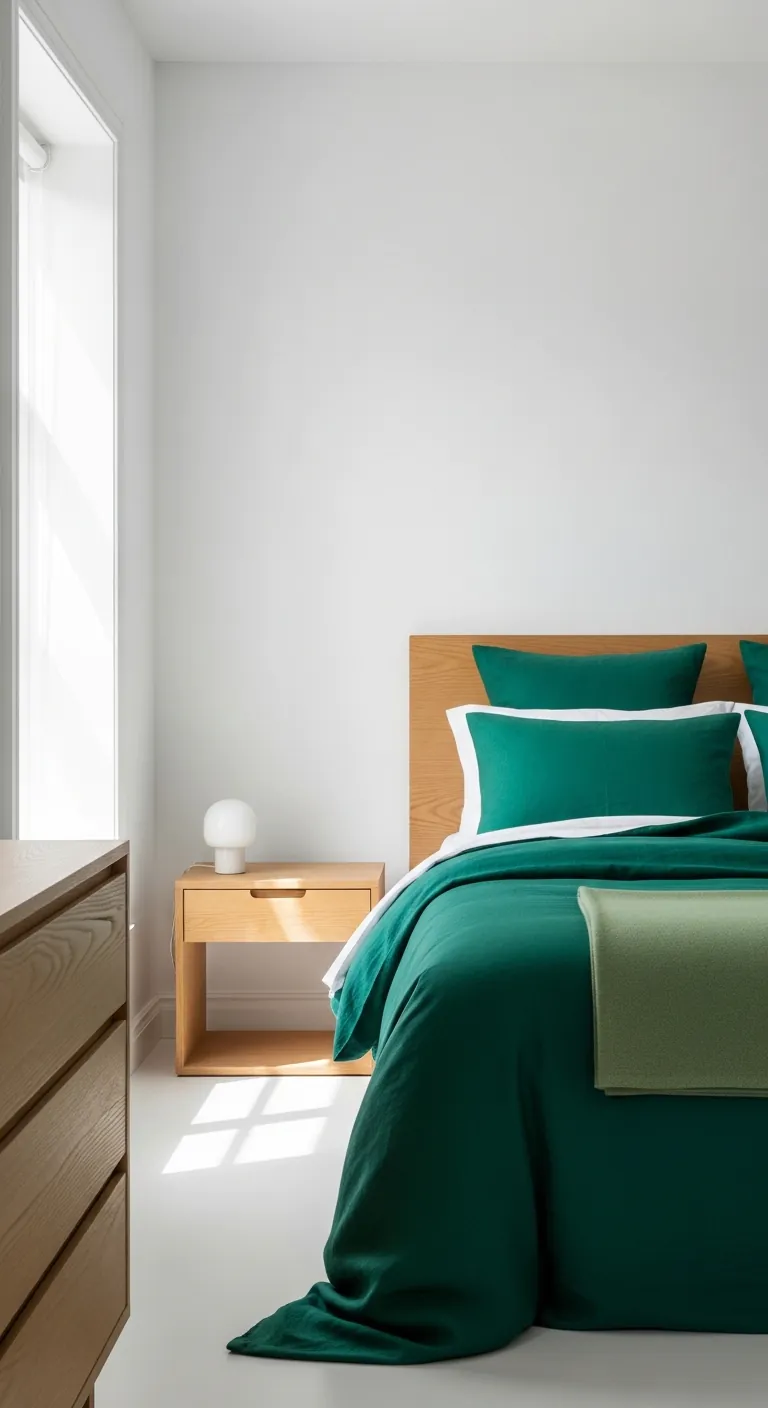
Invest in genuinely excellent bedding in a color that resonates emotionally—one set of premium linen or long-staple cotton in a shade you love. Style simply: fitted sheet, flat sheet or duvet, matching pillowcases, and perhaps one coordinating throw or accent pillow. The quality of material and the confidence of color carry the design without additional layering. This approach is particularly effective for those who run hot or prefer less fabric bulk. It’s also easier to maintain—fewer pieces mean simpler washing and styling. Choose colors that complement your walls and furniture but don’t necessarily match; a blue bed in a warm-neutral room creates beautiful intentional contrast. It’s minimalism with personality, restraint with boldness.
Chalet-Inspired Architectural Details
Rustic European influences are bringing warmth and character to modern bedrooms through architectural details like planked ceilings, exposed beams, prominent window lintels, and box bed structures. These elements infuse contemporary spaces with charm, history, and a sense of craftsmanship that feels permanent and intentional.
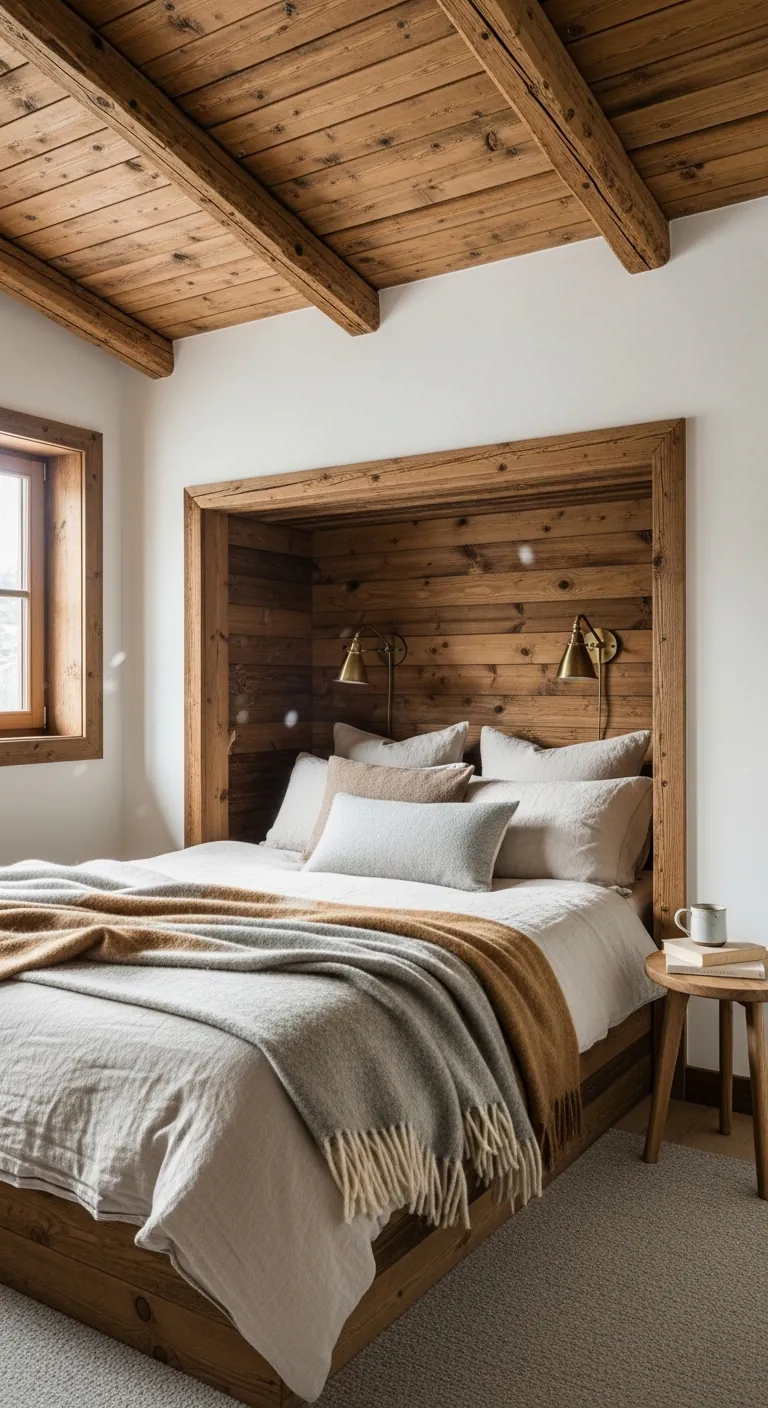
If you’re building or renovating, consider adding exposed beams, tongue-and-groove ceiling planking, or built-in box bed alcoves that create architectural interest. For existing spaces, you can suggest these elements through removable treatments: faux wood beams, peel-and-stick planking on accent walls, or furniture arrangement that mimics the box bed concept by flanking your bed with tall bookcases or wardrobes. Pair these rustic architectural elements with refined modern furnishings to avoid cabin kitsch—crisp white bedding, contemporary lighting, and minimal accessories keep the look elevated. The combination of rough-hewn architectural detail with polished modern elements creates sophisticated mountain-modern aesthetic that feels both cozy and luxurious.
Soft Curves and Organic Shapes
Sharp edges and rigid geometry are giving way to soft curves and organic forms that promote relaxation. Arched headboards, curved furniture silhouettes, round mirrors, and sculptural lighting with flowing lines create a gentler visual environment that feels inherently calming. This shift reflects our growing understanding of how physical environment affects emotional state.
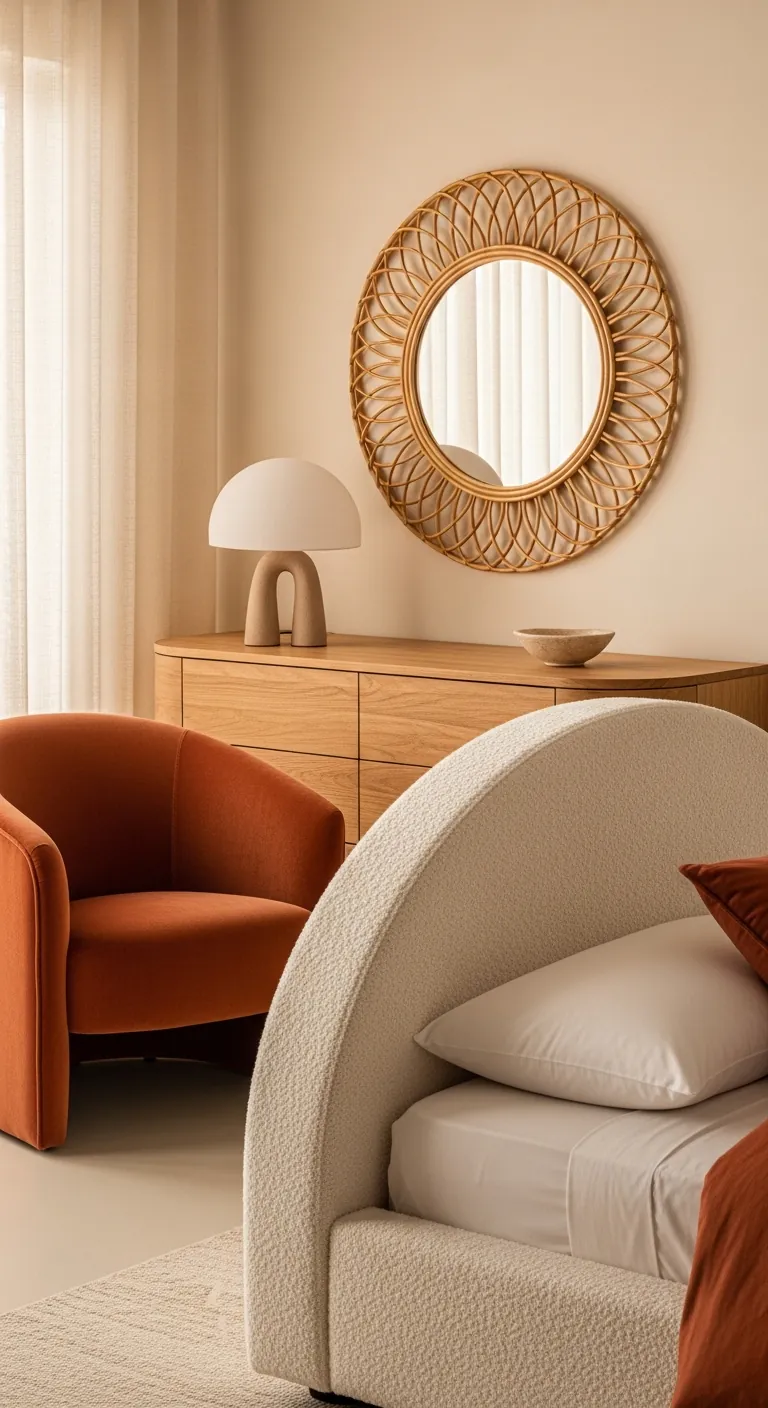
Replace angular furniture with curved alternatives: swap a rectangular mirror for a round or arched version, choose a chair with curved arms over one with sharp corners, select lighting with spherical or organic shapes. Look for headboards with arched tops, rounded furniture edges, and accessories that echo natural forms—river stones, turned wood, ceramic vessels with irregular shapes. These curves don’t need to match or coordinate; varied organic shapes create visual harmony through their shared softness. The psychological effect is subtle but real: curves signal safety (no sharp edges to avoid) and mimic forms found in nature, triggering relaxation responses. It’s design that works on a subconscious level, making you feel at ease without quite knowing why.
Multifunctional Furniture for Compact Spaces
As living spaces shrink and multipurpose use increases, bedroom furniture must work harder. Storage beds with built-in drawers, floating nightstands that preserve floor space, benches with hidden storage, and fold-down desks allow bedrooms to serve multiple functions without feeling cluttered. Smart furniture selection is the difference between cramped and cozy.
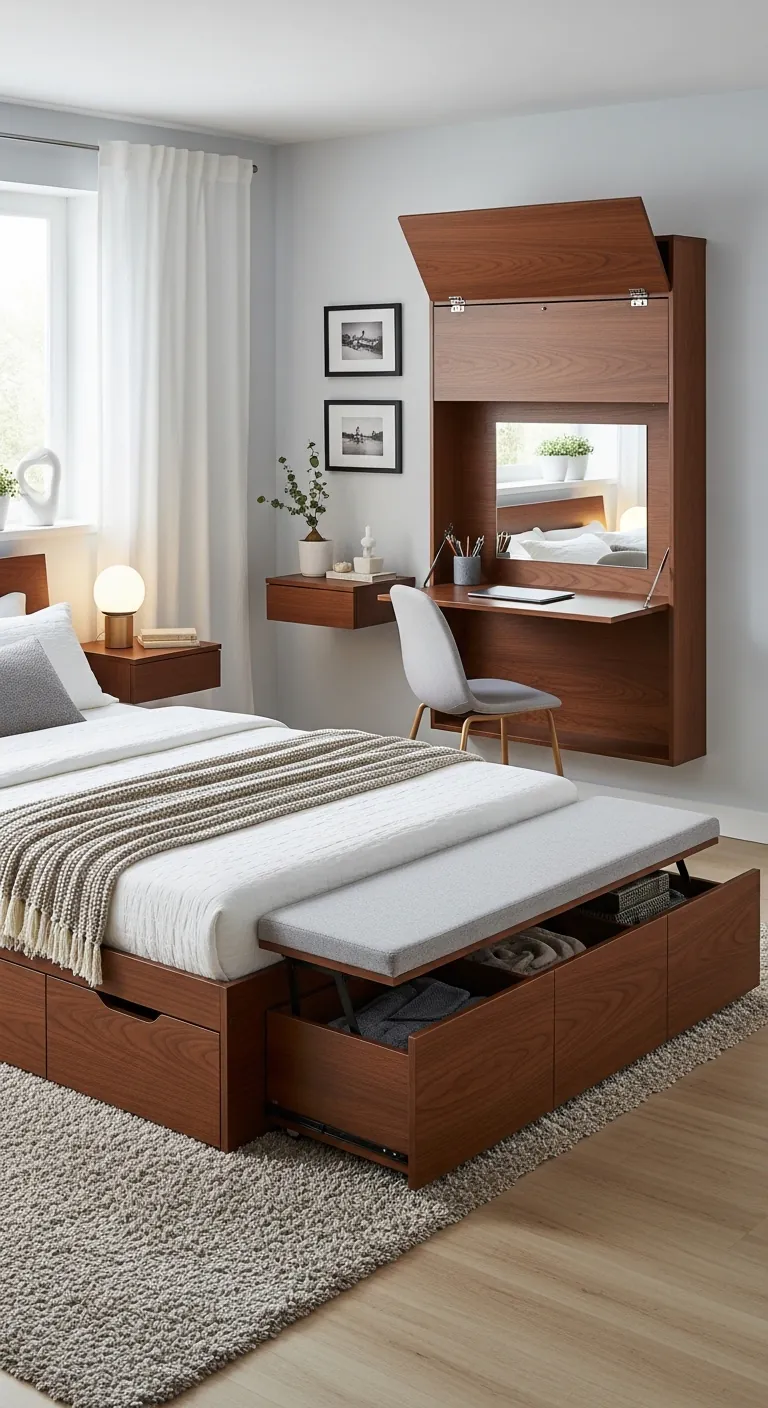
Prioritize pieces that serve multiple purposes: a storage bed eliminates the need for additional dressers, floating nightstands leave floor space for cleaning and visual breathing room, an upholstered bench provides seating and storage while functioning as a visual foot-of-bed anchor. Look for furniture that scales appropriately to your space—overstuffed pieces overwhelm small rooms, while properly proportioned furniture creates the illusion of more space. Keep the color palette cohesive and minimize decorative objects to reduce visual clutter. Use vertical space with tall, narrow shelving rather than wide, low pieces that consume floor area. The goal is functionality that doesn’t announce itself—storage and workspace that integrate seamlessly into a cohesive design rather than making the room feel like a puzzle of different purposes.
Aromatherapy Integration: Scent as Design Element
Scent profoundly affects mood, sleep quality, and stress levels, yet it’s often overlooked in design. Intentional aromatherapy integration—through diffusers, candles, sachets, and even linen sprays—adds an invisible layer of comfort that completes the sensory experience. In 2026, sophisticated bedrooms smell as good as they look.
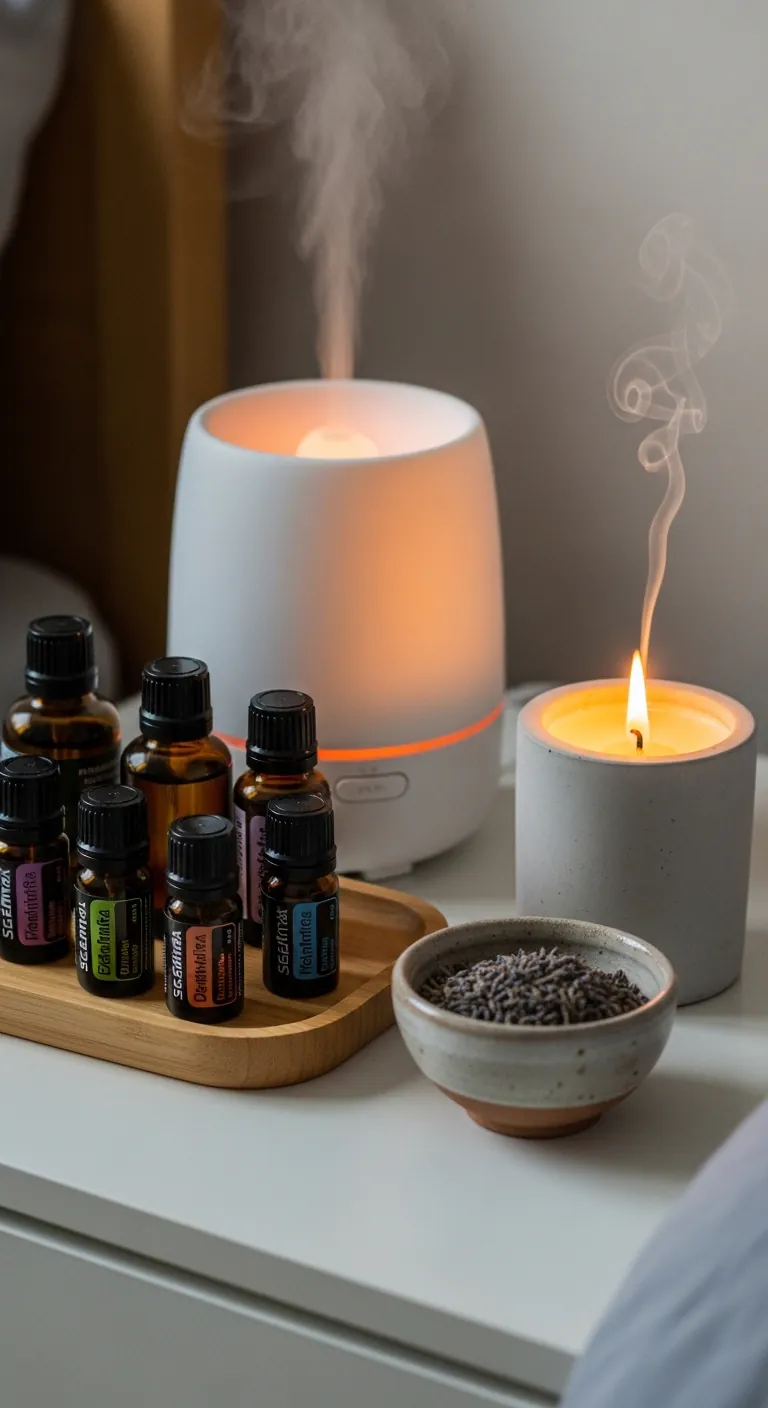
Choose calming scents with proven sleep benefits: lavender reduces anxiety and improves sleep quality, chamomile promotes relaxation, sandalwood grounds and centers, bergamot alleviates stress, and eucalyptus clears breathing. Use multiple delivery methods: an ultrasonic diffuser for adjustable ambient scent, quality candles for evening ritual (blow out before sleep for safety), linen spray for sheets and pillows, and sachets in drawers for subtle ongoing fragrance. Avoid synthetic fragrances and overwhelmingly strong scents; the goal is subtle, natural aroma that you notice on entry but doesn’t dominate. Change scents seasonally to prevent olfactory adaptation: perhaps lavender and chamomile in spring/summer, sandalwood and cedar in fall/winter. Scent creates powerful memory associations; your signature bedroom fragrance becomes linked with rest and restoration, triggering relaxation the moment you smell it.
Warm Neutral Tones with Muted Greens
The 2026 color palette centers on warm neutrals—cream, beige, warm white, soft taupe—accented with muted greens that bring nature indoors without overwhelming. This combination is inherently calming, creating a restful mood that supports sleep while remaining visually interesting. It’s nature-inspired without being literal.
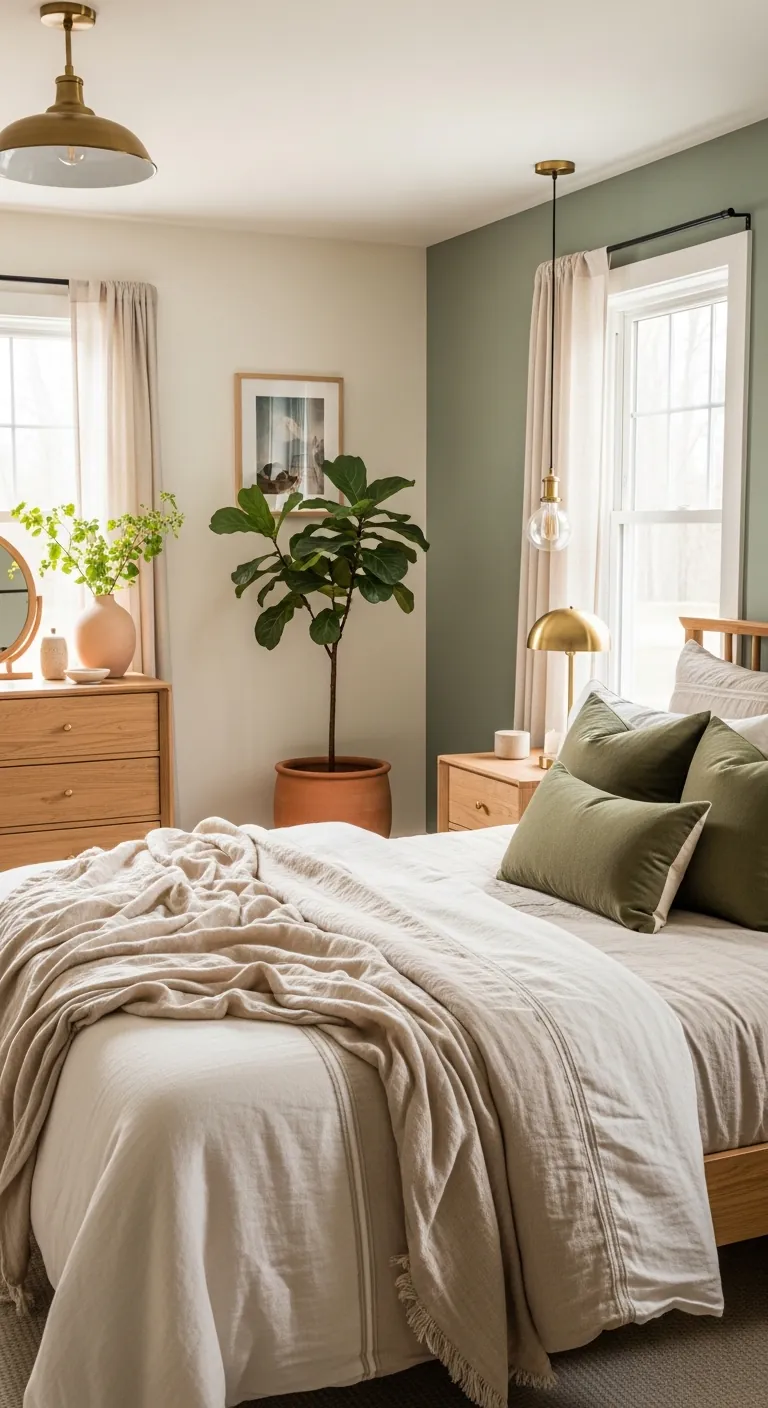
Build your palette by choosing one warm neutral as your base—perhaps a warm white or cream for walls. Introduce muted greens (sage, olive, eucalyptus, moss) through textiles, plants, and accent pieces rather than major furniture. Add additional earth tones—terracotta, warm browns, soft taupes—to create depth without disrupting the calm. This palette works beautifully with natural materials: wood, linen, cotton, jute, rattan, and stone all harmonize effortlessly. The result is a room that feels like a clearing in a forest—peaceful, natural, and gently energizing. Unlike stark whites or cool grays that can feel clinical, warm neutrals with green accents create a space that’s both modern and nurturing, sophisticated and approachable.
High-Quality Natural Textiles
Fast fashion has invaded home goods, but 2026 is seeing a counter-movement toward investment textiles that improve with age. Organic cotton, linen, hemp, wool, and bamboo fabrics offer superior comfort, better environmental profiles, and genuine longevity compared to synthetic alternatives. Quality textiles transform how a room feels to inhabit.
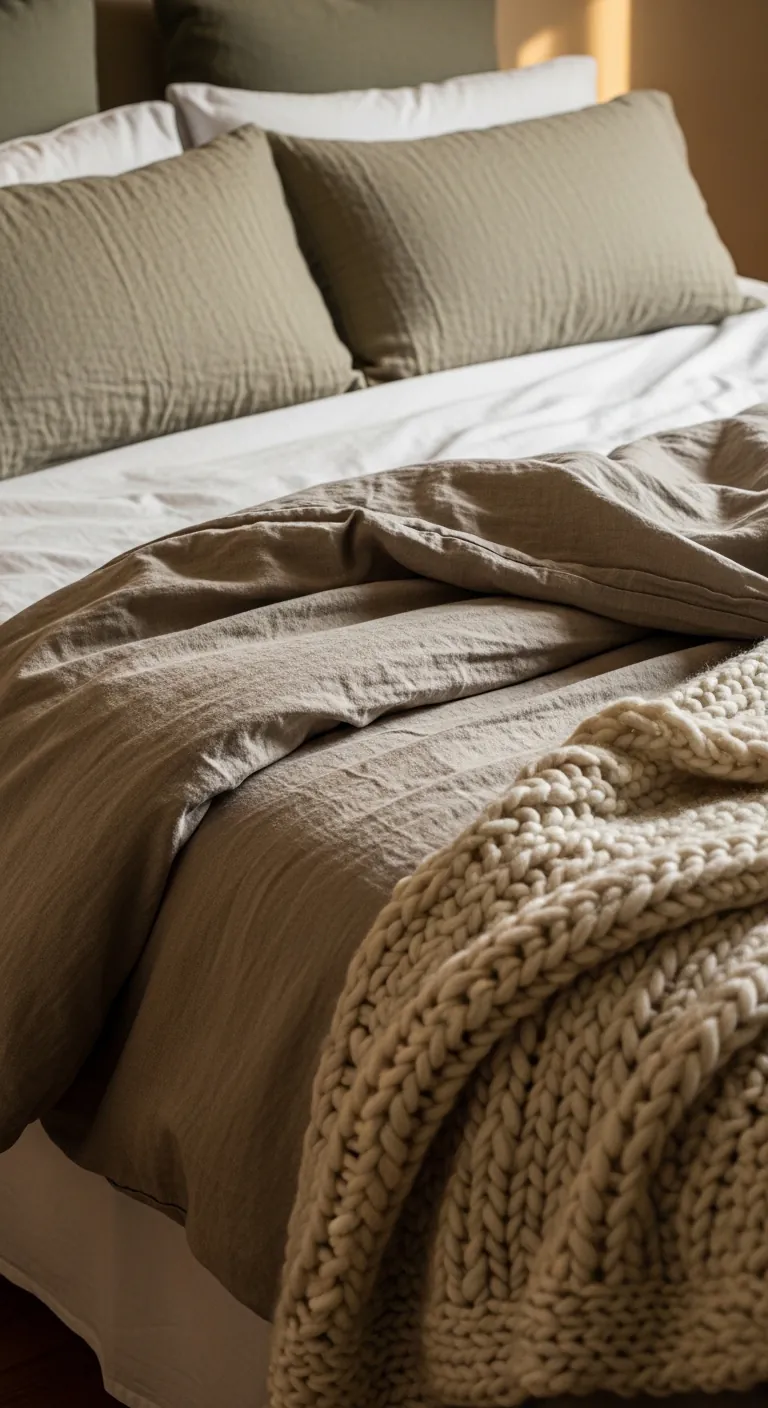
Replace synthetic bedding with natural alternatives: organic cotton provides breathable softness, linen regulates temperature beautifully and softens with washing, bamboo offers silky smoothness with moisture-wicking properties. Choose wool or cotton for blankets and throws rather than acrylic, natural fiber rugs instead of synthetic, and solid wood or metal furniture over particleboard. Yes, quality natural materials cost more initially, but they last exponentially longer and feel incomparably better. They breathe properly, regulate temperature, don’t trap odors, and develop beautiful patina rather than looking worn. Perhaps most importantly, sleeping in natural fibers surrounded by real materials creates a sensory experience that synthetic alternatives simply cannot replicate. You’ll notice the difference every single night.
Decluttered Layouts That Reduce Stress
Visual clutter creates mental clutter—research shows that disordered environments increase stress and interfere with sleep. The intentionally decluttered bedroom focuses on essential furnishings, abundant storage that hides belongings, and clear surfaces that promote calm. This isn’t about deprivation; it’s about intentional curation.
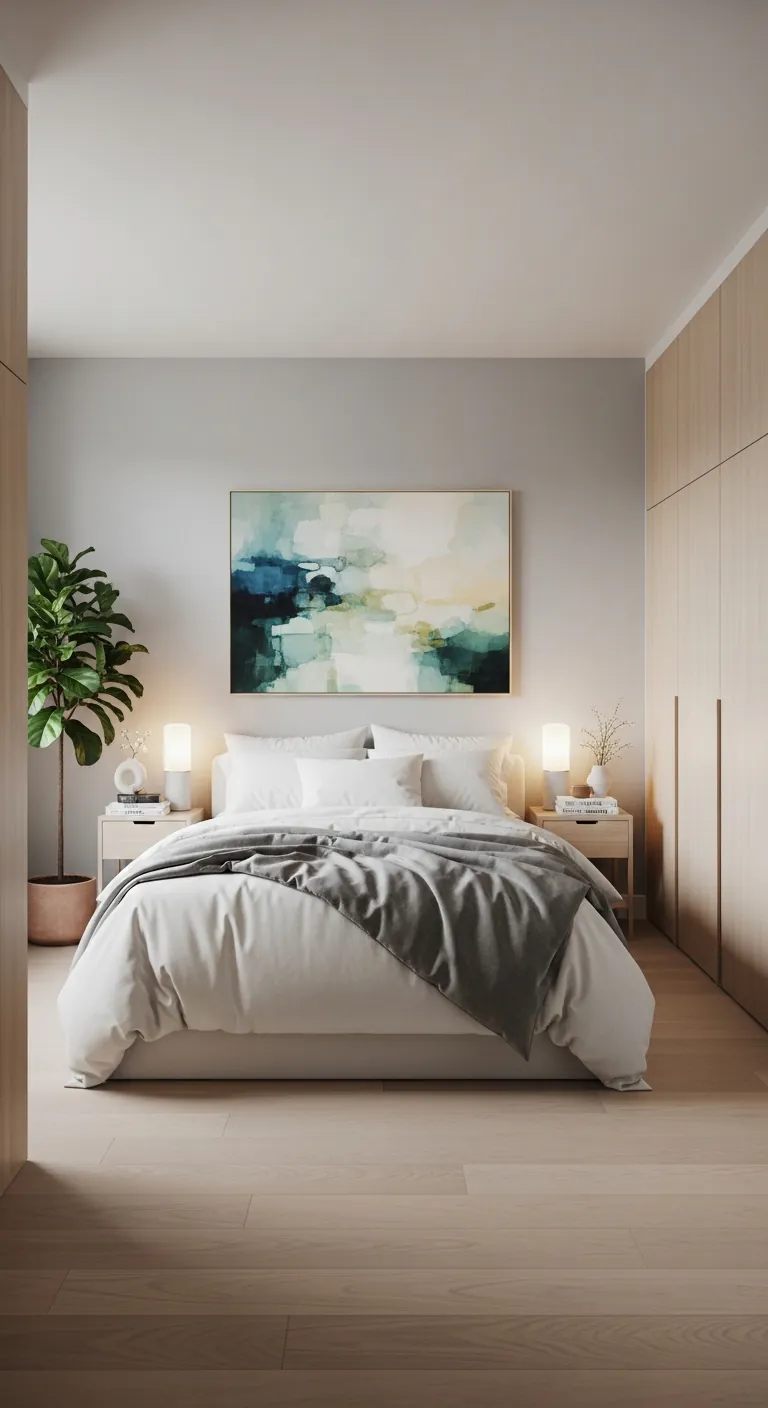
Assess every item in your bedroom with this question: “Does this actively support rest or bring me genuine joy?” Remove anything that fails both criteria—exercise equipment belongs elsewhere, work materials should live in a dedicated space, excessive decorative objects can be pared down. Invest in sufficient closed storage so belongings have specific homes. Keep nightstand surfaces minimal: a lamp, perhaps an alarm clock or book, maybe one beautiful object. Clear floors except for necessary furniture and perhaps a rug. Choose artwork thoughtfully rather than covering walls. The goal is intentional emptiness that feels peaceful rather than stark. When you enter a decluttered bedroom, your nervous system can literally decompress—there’s nothing demanding visual attention, nothing creating subtle stress. It’s space for your mind to settle, which is exactly what a bedroom should provide.
Ergonomic Furniture for Better Rest
Wellness-focused design considers how furniture supports your body, not just how it looks. Ergonomic bedroom furniture—properly supportive mattresses, adjustable bed frames, chairs that promote good posture, and nightstands at appropriate heights—directly affects sleep quality and physical comfort. Form absolutely must follow function in pieces you interact with daily.
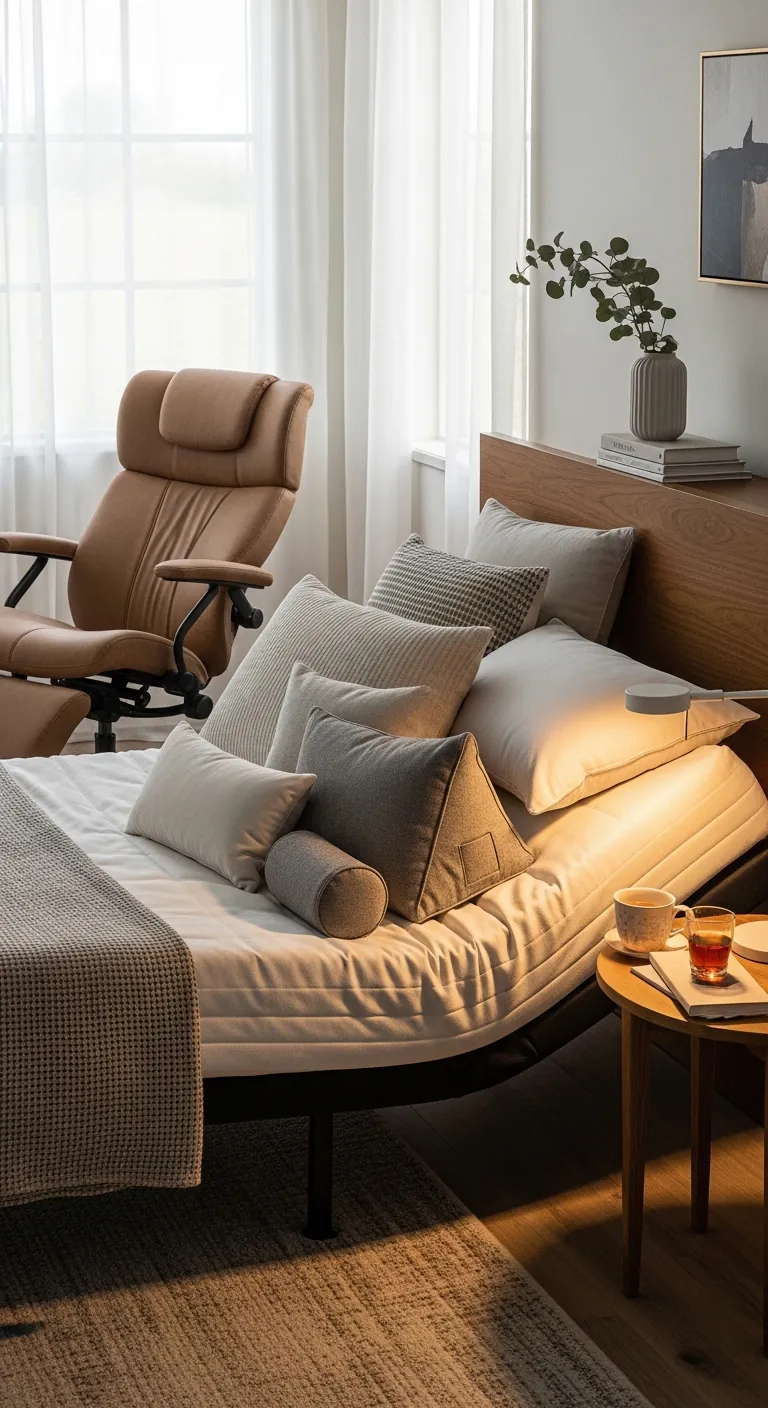
Start with your mattress—invest in quality that matches your sleep position and body type. Consider an adjustable base that elevates your head for reading or feet for circulation. Choose nightstands that position necessities at easy reaching height from bed (typically 24-28 inches depending on mattress height). If your bedroom includes seating, prioritize ergonomic support over aesthetic alone—a beautiful chair you can’t comfortably sit in for reading serves no purpose. Consider your pillow arrangement not just decoratively but functionally: do you have proper support for various positions? Reading in bed, watching television, or working on a laptop all require different support than sleeping. This attention to ergonomics doesn’t compromise aesthetics—it ensures your beautiful bedroom also supports your body properly, preventing the aches and pains that accumulate from poorly designed spaces.
The Ball Pillow Trend: Sculptural Softness
One of 2026’s most playful trends is the ball pillow—spherical cushions in velvet, faux fur, or textured fabrics that add whimsical sculptural interest to beds and seating. These aren’t functional support pillows; they’re pure design elements that introduce curves, texture, and personality without taking themselves too seriously.
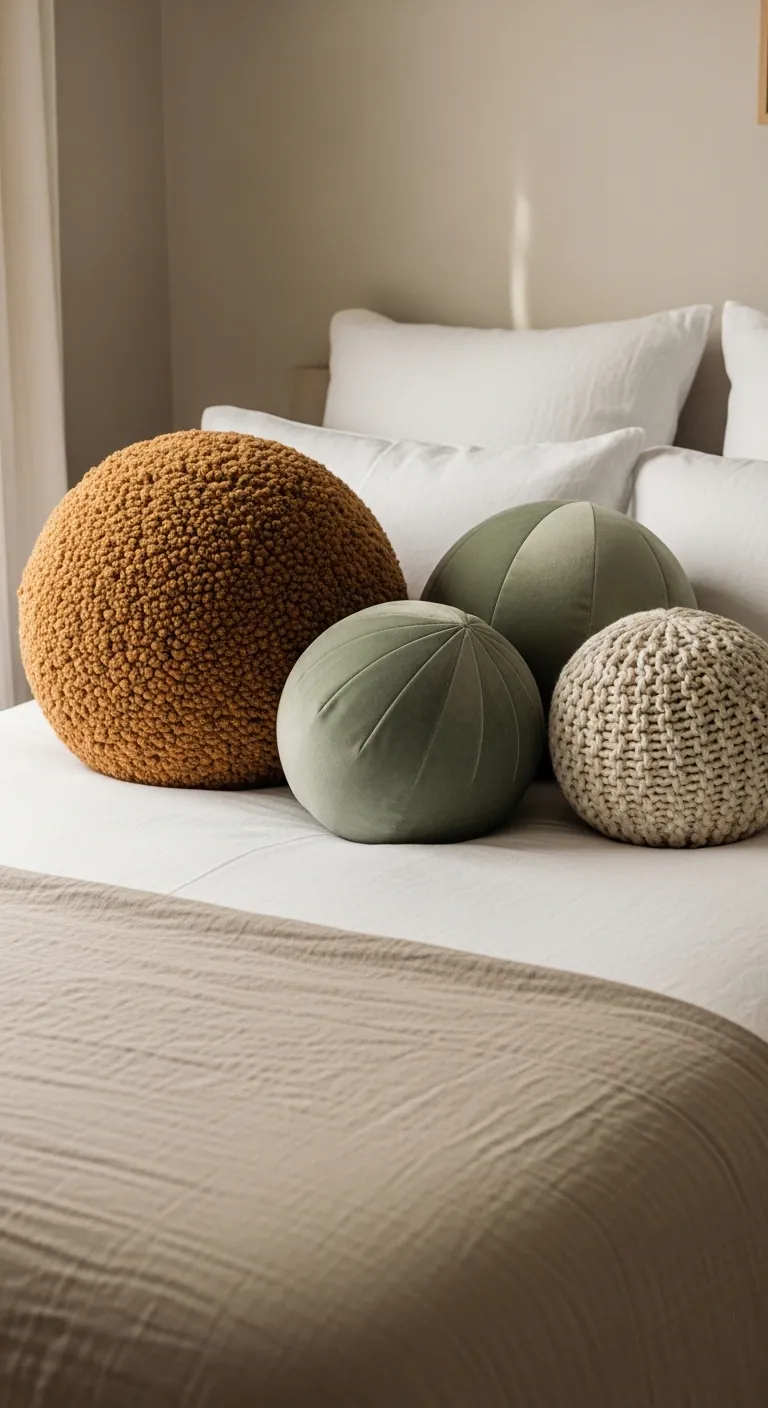
Incorporate ball pillows as accent pieces that complement your textile palette. Choose one or three (odd numbers create better visual composition) in coordinating colors and varied textures—perhaps a plush faux fur in neutral tone, a velvet one in an accent color, and a woven or knitted version for texture variety. Position them casually rather than in rigid arrangements; their organic shape looks best when seemingly tossed rather than precisely placed. Ball pillows work particularly well in rooms with predominantly angular furniture and straight lines, providing contrast through their softness. They’re also portable accent pieces you can move seasonally—swap heavier velvet for lighter linen versions in summer, change colors to refresh the room without major commitment. They’re fun without being frivolous, adding a touch of playfulness to sophisticated spaces.
Sustainable and Eco-Friendly Choices
Environmental consciousness is no longer optional—it’s a core value for design-forward individuals. Sustainable bedroom design prioritizes eco-friendly materials, furniture with longevity, energy-efficient lighting, and brands with transparent ethical practices. This isn’t about sacrifice; quality sustainable options now rival or exceed conventional alternatives in both aesthetics and comfort.
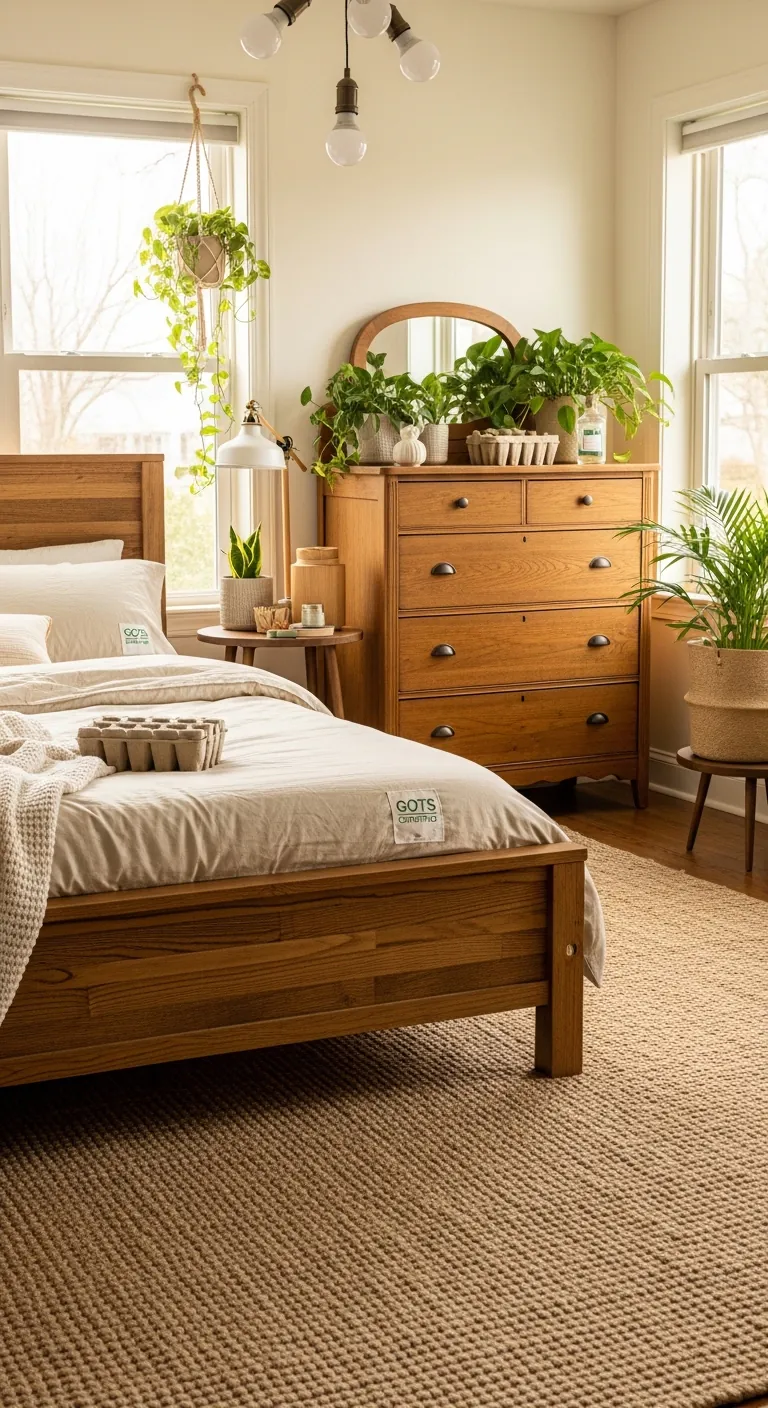
Choose furniture made from sustainable or reclaimed wood with FSC certification, or explore vintage and refurbished pieces that give new life to existing materials. Select bedding and textiles with organic certifications (GOTS, OEKO-TEX) that ensure both environmental standards and absence of harmful chemicals. Replace incandescent bulbs with LED alternatives that use 75% less energy and last years longer. Support brands with transparent supply chains and fair labor practices. Consider longevity in every purchase—one quality piece that lasts decades has far less environmental impact than multiple cheap replacements. Prioritize natural, biodegradable materials over synthetic ones when possible. The sustainable bedroom isn’t a aesthetic category—these principles can be applied to any style. It’s simply making conscious choices that reduce harm while creating a healthier space for you to inhabit.
Implementation Strategy: Where to Begin
Transforming your bedroom doesn’t require completing all 21 ideas simultaneously. Start with the changes that address your biggest pain points: if you sleep poorly, prioritize quality bedding and layered lighting; if you feel stressed, focus on decluttering and sensory elements. Phase your updates to spread costs and allow you to live with changes before adding more.
Budget-Friendly Approach: Begin with textiles and paint—these offer dramatic impact at relatively low cost. Refresh bedding, add a statement rug, paint an accent wall, and incorporate plants. As budget allows, upgrade furniture pieces strategically, prioritizing items you interact with daily (mattress, chair) over purely decorative elements.
Quick Wins: Some changes take minutes but significantly alter the feel: remove excess decorative objects, rearrange furniture away from blocking windows, switch to warmer-toned light bulbs, add one statement plant, introduce a new scent. These immediate shifts create momentum and help you identify which directions resonate most.
The cozy bedroom of 2026 is personal sanctuary engineered for restoration—layered, natural, comfortable, and deeply intentional. It prioritizes how you feel over how it photographs, though fortunately, authentic comfort photographs beautifully. Whether you implement one idea or embrace all twenty-one, every choice that increases comfort and reduces stress is investment in your wellbeing. Your bedroom shapes your days by shaping your nights—make it worthy of that profound responsibility.